Psalm 23
The Lord Is My Shepherd
Held, guided, and kept by the faithful care of God
Video teaching coming soon
01 / 11
Introduction
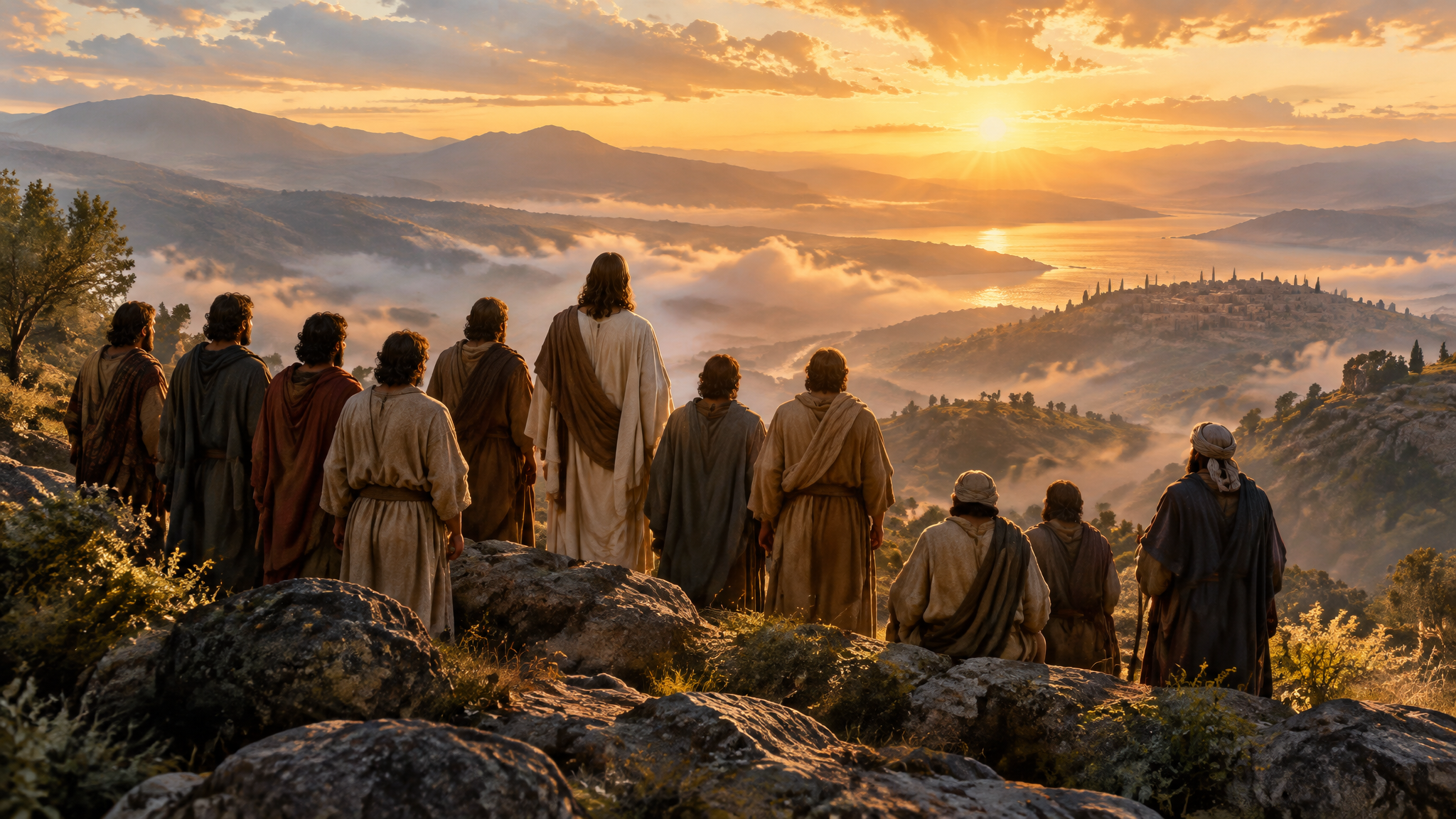
There are few images in Scripture more tender or more enduring than this one: a shepherd walking ahead of his sheep at first light. The ground is cool, the grass is fresh, the air is still, and the flock moves not because they understand the whole journey, but because they trust the one leading them. Psalm 23 invites us into that scene. It does not deny danger, grief, enemies, or death. Instead, it places all of those realities inside a larger truth: the LORD is near, attentive, and able to care for his people. Whether someone comes to this psalm in joy, anxiety, exhaustion, or mourning, its words offer a steady confession of faith. Based on this passage, the believer’s security is not in favourable circumstances, but in the Shepherd’s presence.
02 / 11
The Scripture
World English Bible (Public Domain)
03 / 11
The Context
Historical Context
Psalm 23 is titled “A Psalm by David.” Many readers connect its imagery with David’s own early life as a shepherd before he became king (1 Samuel 16–17). While the title does not tell us the exact moment of composition, the psalm reflects intimate knowledge of sheep, danger, leadership, and dependence. In the Ancient Near East, kings were sometimes described as shepherds of their people. In Israel’s Scriptures, however, the most important claim is not that a human king is the shepherd, but that the LORD himself is the true Shepherd of Israel (see Psalm 80:1; Ezekiel 34).
That matters historically. Israel knew seasons of wilderness wandering, warfare, exile, and national uncertainty. A confession like “The LORD is my shepherd” expresses covenant trust in the God who personally cares for his people. Many scholars note that Psalm 23 may have been used devotionally in personal worship, but it also resonates deeply with Israel’s wider story of being led, fed, protected, and brought into God’s presence.
Cultural Context
Shepherding was a familiar part of daily life in the biblical world. Sheep depended heavily on their shepherd for food, water, direction, and protection. Left to themselves, sheep were vulnerable to predators, rough terrain, and thirst. So the image would have immediately communicated dependence, guidance, and care.
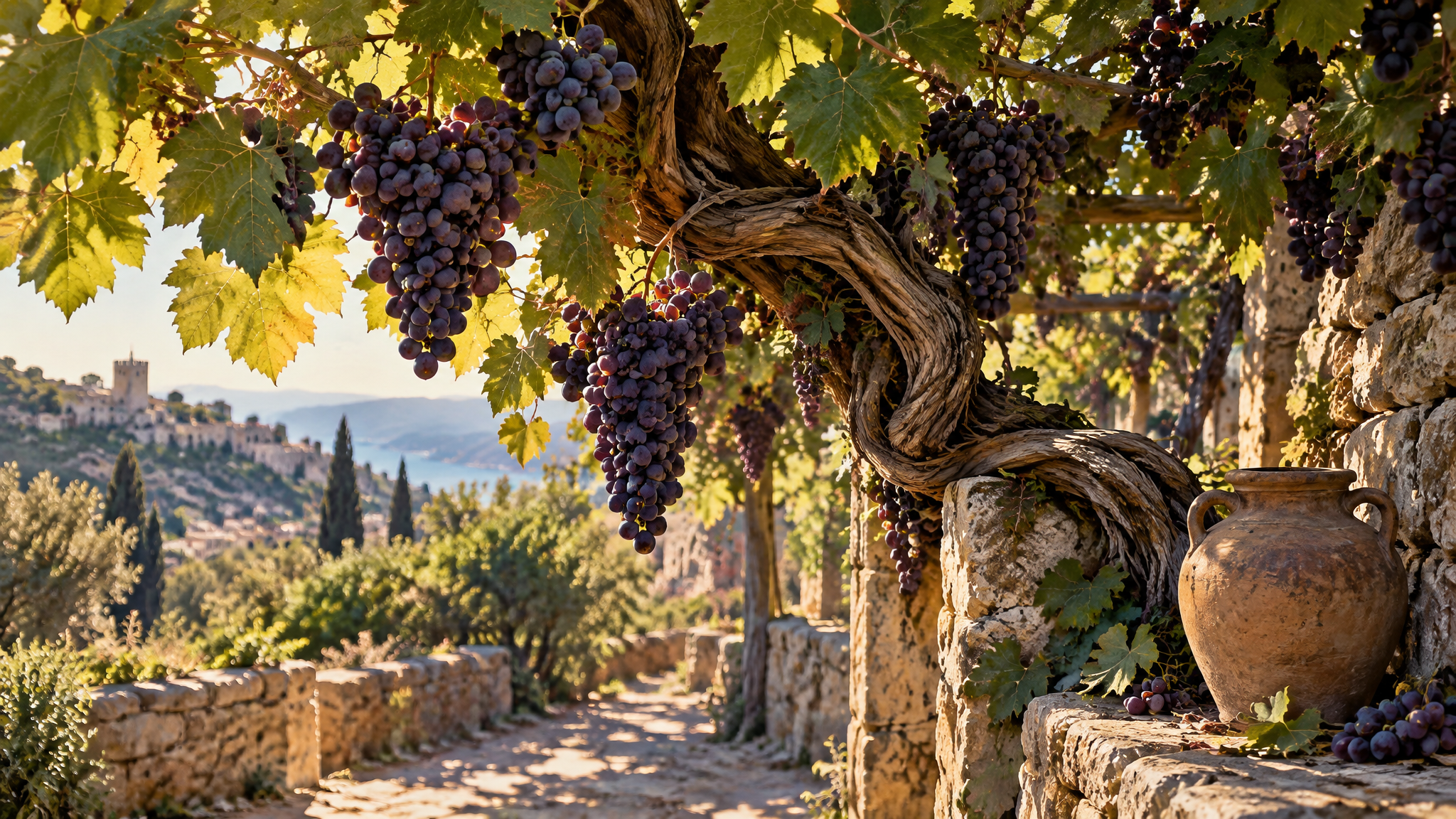
The psalm also shifts from pasture imagery to hospitality imagery: “You prepare a table before me.” In the ancient world, hosting and protecting a guest carried strong social meaning. Anointing with oil could signify honour, refreshment, and welcome. An overflowing cup suggests abundance rather than bare survival. So the LORD is presented not only as a shepherd in open country, but also as a gracious host who receives and blesses his guest.
Literary Context
Psalm 23 is a short psalm of trust, carefully arranged and richly poetic. It moves through three broad scenes: provision in peaceful places (verses 1–3), protection in dark danger (verse 4), and abundance in the presence of enemies (verses 5–6). One striking literary feature is the shift from third person to second person. The psalm begins, “He makes me lie down… He leads me,” but in verse 4 it becomes, “for you are with me.” Many interpreters observe that as the valley grows darker, the language becomes more direct and personal.
The psalm’s movement is not from difficulty to fantasy, but from confidence to deeper confidence. It begins with lack removed, passes through death-shadowed valleys, and ends with enduring fellowship in the LORD’s house. Its beauty lies in its simplicity, but its theology is profound.
04 / 11
The Exposition
What does it say?
Psalm 23 opens with a personal confession: “The LORD is my shepherd; I shall lack nothing.” The speaker declares that because the LORD is his shepherd, he has what he truly needs. The psalm then paints a series of images. The Shepherd provides rest in green pastures and refreshment beside still waters. He restores the soul and leads in righteous paths for the sake of his own name. The scene changes in verse 4: the psalmist walks through “the valley of the shadow of death,” yet fears no evil because the LORD is present, and his rod and staff bring comfort. In verse 5, the image shifts from shepherd to host: God prepares a table in the presence of enemies, anoints the psalmist with oil, and fills his cup to overflowing. The psalm closes with confidence that goodness and loving kindness will accompany him all his life, and that he will dwell in the LORD’s house forever.
What does it mean?
Based on this passage, the central meaning is that the LORD’s care is sufficient in every season. The psalm does not promise a life without valleys, enemies, or grief. It promises God’s presence within them. “I shall lack nothing” should not be reduced to a guarantee of uninterrupted material prosperity. Many Christian traditions understand it as confidence that the Shepherd supplies what is truly needed for life with God.
The “paths of righteousness” can mean morally right paths, but also right or safe paths that fit God’s covenant purposes. “For his name’s sake” reminds us that God’s care is rooted in his own faithful character. He leads his people not merely because they are strong, but because he is good and true to his name.
The valley image is especially important. The psalmist does not say he camped there permanently, but that he walked through it. The focus is not the valley itself, but the God who accompanies him. The rod and staff are shepherd’s tools: one associated with protection and authority, the other with guidance and support. Together they symbolise active care.
Why does it matter?
This psalm matters because it gives believers language for trust when life feels fragile. It is honest about danger and still full of peace. It teaches that faith is not pretending everything is easy; faith is learning to say, “You are with me,” even when the path is dark.
It also matters because it centres security in relationship rather than circumstance. Peace does not come from always being in green pastures. Peace comes from belonging to the Shepherd. That truth steadies the believer in suffering, bereavement, uncertainty, illness, and spiritual weariness.
What does it reveal about God?
Psalm 23 reveals God as personal, present, generous, holy, and faithful. He is not distant. He sees, leads, restores, protects, and welcomes. He provides rest and nourishment, but he also gives courage in danger. He is both Shepherd and Host.
The psalm also reveals that God’s guidance is morally shaped. He leads in righteous paths. His care is not indulgent permissiveness; it is holy direction. He leads his people toward what is good and fitting in line with his name.
Finally, God is shown as abundant in mercy. The cup overflows. Goodness and loving kindness follow all the days of life. The final destination is not mere survival, but communion with God.
What does it reveal about humanity?
Human beings are portrayed as dependent creatures. The sheep image implies vulnerability, need, and limited self-direction. This is not meant to humiliate but to tell the truth. We need leading, restoring, and protecting.
The psalm also shows that humans walk through changing landscapes. Life includes rest and hardship, clarity and confusion, celebration and threat. The believer is not exempt from human frailty. Yet this frailty becomes the place where trust is learned.
What does it mean for the believer?
For the believer, Psalm 23 becomes both confession and comfort. It teaches us to say, “The LORD is my shepherd,” not merely “a shepherd.” The language is relational and personal. Many Christian traditions read this psalm in light of Jesus’ words in John 10, where he calls himself the good shepherd. In that wider biblical context, Christians often see Psalm 23 fulfilled in the Messiah who lays down his life for the sheep and leads them into eternal life.
The believer is therefore invited to rest, to follow, to trust through the valley, and to live with hope. The final line points beyond present experience toward enduring fellowship with God. Some interpret “I will dwell in the LORD’s house forever” primarily as temple language of worship; others also see a broader hope of eternal communion with God. Both themes fit the wider biblical witness.
What does it look like in real life?
It looks like a tired parent praying for daily strength and finding enough grace for today. It looks like a grieving Christian at a funeral whispering, “I will fear no evil, for you are with me.” It looks like someone turning from destructive choices because the Shepherd leads in righteous paths. It looks like receiving God’s gifts with gratitude rather than panic, and walking through uncertainty without pretending to be fearless.
In real life, Psalm 23 does not create a fantasy world. It forms a faithful heart. It teaches us to recognise green pastures when they come, to endure valleys when they must be crossed, and to trust that the Shepherd’s goodness is still moving toward us even when we cannot yet see the whole road.
05 / 11
The Language
Shepherd (ro‘i) — רֹעִי
The word translated “my shepherd” comes from a Hebrew term connected with tending, feeding, and pasturing a flock. It is deeply relational. In Scripture, a shepherd is not simply a manager but a guardian, guide, and provider. Calling the LORD “my shepherd” is a personal statement of trust. Based on this psalm, the image brings together authority and tenderness.
I shall lack nothing (lo’ ’echsar) — לֹא אֶחְסָר
This phrase can be rendered “I will not lack” or “I shall not be in want.” It expresses confidence that the Shepherd will supply what is needed. It does not necessarily imply endless luxury. Many interpreters understand it as covenant sufficiency: what God knows is necessary for the life of faith, he will provide.
Restores my soul (yeshovev nafshi) — יְשׁוֹבֵב נַפְשִׁי
The verb carries the sense of turning back, restoring, or reviving. “Soul” (nephesh) often refers to the whole living person, not just an immaterial part. So the phrase suggests renewal of life, strength, and inner vitality. It is about God bringing a weary person back to life and wholeness.
Valley of the shadow of death / deep darkness (gei tsalmavet) — גֵּיא צַלְמָוֶת
This famous phrase may refer specifically to death-shadow or more broadly to deep darkness. Scholars discuss the nuance, but either way the image conveys extreme danger, gloom, and vulnerability. The emphasis in the verse is not on defining the valley precisely, but on the LORD’s presence within it.
Loving kindness (chesed) — חֶסֶד
Often translated “steadfast love,” “mercy,” or “loving kindness,” chesed is one of the richest covenant words in the Old Testament. It points to faithful, committed love rooted in God’s character. In Psalm 23:6, goodness and chesed “follow” the believer. That is a striking image: not merely that God sends gifts, but that his faithful love actively pursues his people.
06 / 11
The Connections
- John 10:11–14 — Jesus calls himself the good shepherd, which many Christian readers see as a profound connection to the shepherd imagery of Psalm 23.
- Ezekiel 34:11–16 — The LORD promises to search for, feed, and care for his sheep, reinforcing the theme of God’s personal shepherding.
- Psalm 80:1 — God is addressed as the Shepherd of Israel, showing that Psalm 23 stands within a wider biblical pattern.
- Isaiah 40:11 — The LORD tends his flock with gentleness, gathers lambs, and carries them, echoing the tenderness of Psalm 23.
- Philippians 4:19 — Paul speaks of God supplying every need, which resonates with “I shall lack nothing,” while arising from a different context.
- Hebrews 13:20–21 — Jesus is called the “great shepherd of the sheep,” connecting pastoral care, covenant, and resurrection hope.
- Revelation 7:16–17 — The Lamb shepherds God’s people, leads them to springs of living water, and wipes away tears, extending Psalm 23’s imagery into final hope.
07 / 11
The Interpretations
Across major Christian traditions, Psalm 23 is treasured as a psalm of trust in God’s providential care. There is broad agreement that the LORD is portrayed as the one who provides, guides, protects, and brings his people into fellowship with himself. Most traditions also connect the psalm with Christ, especially through John 10 and other New Testament shepherd texts.
Catholic and Orthodox readings often emphasise the psalm’s devotional, sacramental, and liturgical richness. The green pastures, still waters, table, oil, and overflowing cup may be read with eucharistic and pastoral overtones, while still honouring the original Old Testament sense. The closing hope of dwelling in the LORD’s house is often linked to worship now and communion with God in the age to come.
Reformed interpreters commonly stress God’s sovereign, faithful provision and the believer’s assurance in his covenant care. “For his name’s sake” is often highlighted as showing that God’s guidance is grounded in his own glory and faithfulness rather than human merit.
Wesleyan/Arminian readers often emphasise God’s preserving grace, the believer’s trustful response, and the practical call to follow the Shepherd in holy living. The “paths of righteousness” are frequently understood as both God’s right leading and the life of obedience he forms in his people.
Pentecostal readings often underline the nearness of God in suffering, the Spirit’s restorative work, and the experiential reality of divine comfort and guidance.
Differences usually appear not in the core meaning but in emphasis: providence, sacraments, assurance, sanctification, or spiritual experience. Yet these approaches are often complementary rather than contradictory. Based on this passage, all can affirm that the believer’s deepest confidence rests not in self-sufficiency but in the Shepherd’s faithful presence.
08 / 11
See It
Imagine a large canvas divided not by sharp lines, but by one winding path. At one end, dawn light falls over rolling green pasture. A shepherd stands slightly ahead, not dragging the sheep, simply leading. Nearby, water lies calm, reflecting the sky. In the middle of the canvas, the path drops into a narrow ravine. The light grows dim. The rocks rise high. Shadows lengthen. Yet the key detail is this: the shepherd is no further away here than he was in the meadow. In fact, he seems closer. His staff is visible. His presence fills the dark place.
Then the path opens again into a scene of hospitality: a table set with bread and cups, warm lamplight, oil poured in welcome, a cup filled beyond its brim. In the distance, enemies still exist, but they do not control the feast. Finally, beyond the table stands a house with open doors and golden light. The whole psalm can be seen in one truth: the journey changes, but the Shepherd does not.
See It — Visual Demonstration
Sign in to visualiseArtistic imagining generated by AI — not a historical record. Pending human review.
09 / 11
Application
Receive God’s care instead of living in constant inner panic
Psalm 23 invites us to move from anxiety-driven self-reliance into trust. This may begin with simple practices: pausing in prayer, naming needs honestly, and remembering that the Shepherd knows what his sheep require. Trust does not remove responsibility, but it does challenge the illusion that everything depends on us.
Follow the Shepherd in righteous paths
The psalm does not present comfort without direction. God leads in paths of righteousness. That means the cared-for life is also the obedient life. Practically, this may involve repentance, integrity in work, truthfulness in speech, sexual holiness, financial honesty, and choosing what honours God even when it is costly.
Learn to pray differently in the valley
When life grows dark, believers often ask, “How do I get out?” Psalm 23 teaches another prayer as well: “Be with me here.” Based on this passage, courage is not the denial of fear but confidence in God’s presence. In illness, grief, conflict, or uncertainty, this psalm gives words for persevering trust.
Recognise and enjoy God’s ordinary gifts
Green pastures and still waters may come in quiet forms: sleep, friendship, a meal, Scripture, worship, tears that finally come, strength for one more day. The psalm trains us to receive these as gifts from the Shepherd rather than overlook them while chasing bigger signs.
Live with the end in view
The psalm ends in the LORD’s house. However one nuances the phrase, it clearly points to enduring fellowship with God. That future hope reshapes the present. Believers can face temporary valleys because the final horizon is not abandonment but homecoming.
10 / 11
Reflect
- Which image in Psalm 23 speaks most deeply to your present season: pasture, still waters, right paths, dark valley, prepared table, or the LORD’s house?
- What might “I shall lack nothing” mean in your life if it is understood as God’s sufficiency rather than guaranteed ease?
- Where do you most need to say, “You are with me,” instead of focusing only on the valley itself?
- How might the “paths of righteousness” call you to concrete obedience right now?
- In what ways have goodness and loving kindness already followed you, even if you did not notice them at first?
- How does the hope of dwelling with the LORD reshape your fears about the future?
11 / 11
Pray
Lord, you are the Shepherd I need. Where I am restless, give me your peace. Where I am weary, restore me. Where I am confused, lead me in right paths for your name’s sake. When I walk through dark valleys, keep me from surrendering to fear, and remind me that you are with me. Thank you for your protection, your provision, and your faithful love that follows me each day. Teach me to receive your gifts with gratitude and to trust you when I cannot see the whole road ahead. Draw me near to your presence now, and keep my hope fixed on life with you. Through your mercy, make my heart steady, humble, and full of trust. Amen.
Finished the exposition?
Mark it complete to update your journey and streak.
Psalm 23 is one of the most beloved passages in Scripture because it speaks to both peace and pain. Based on this psalm, we see the LORD as the Shepherd who provides, leads, protects, and welcomes his people into lasting fellowship with himself.